
Solar panel installation in Essex.
MCS-certified solar panel installation for homes across Essex, from your first survey through to commissioning. Every system is sized to your roof and your household’s actual usage, not a generic package. Solar and battery installations are also currently zero-rated for VAT, a relief that runs until 31 March 2027.
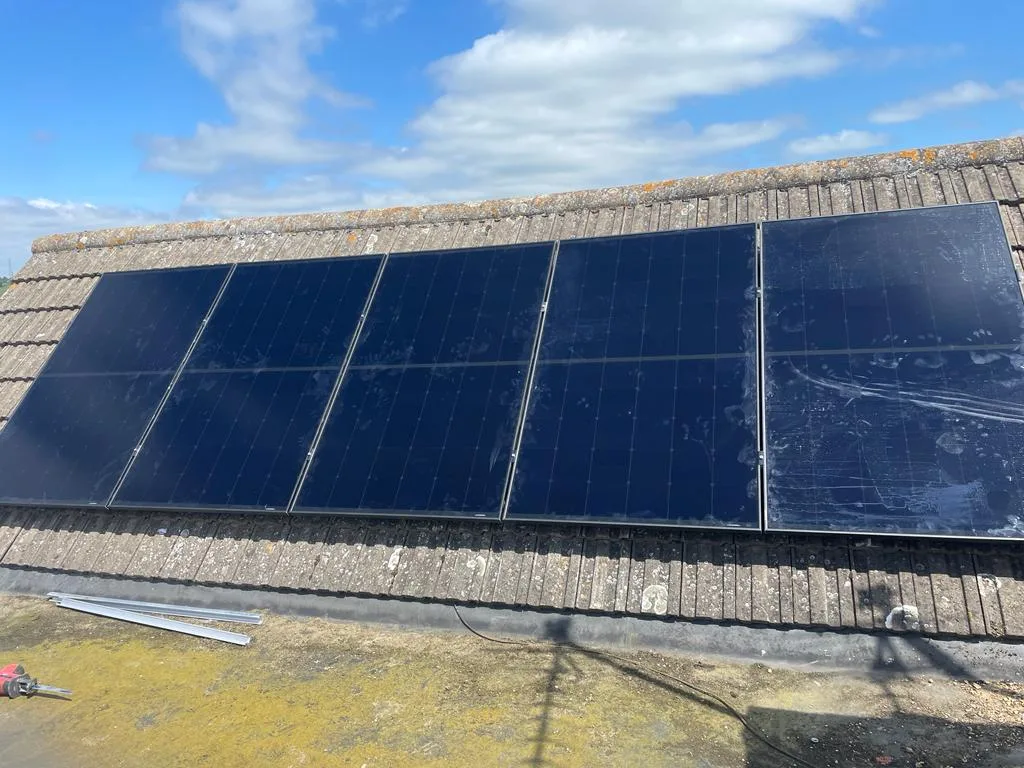
Roof or ground, whichever earns its keep.
Roof-mounted is where the vast majority of our Essex jobs go, since it uses space you already have and keeps things simple. When a roof’s too shaded, badly angled, or structurally unsuitable, a ground-mounted array becomes the practical option instead. That call gets made at survey, not before anyone’s seen the property.
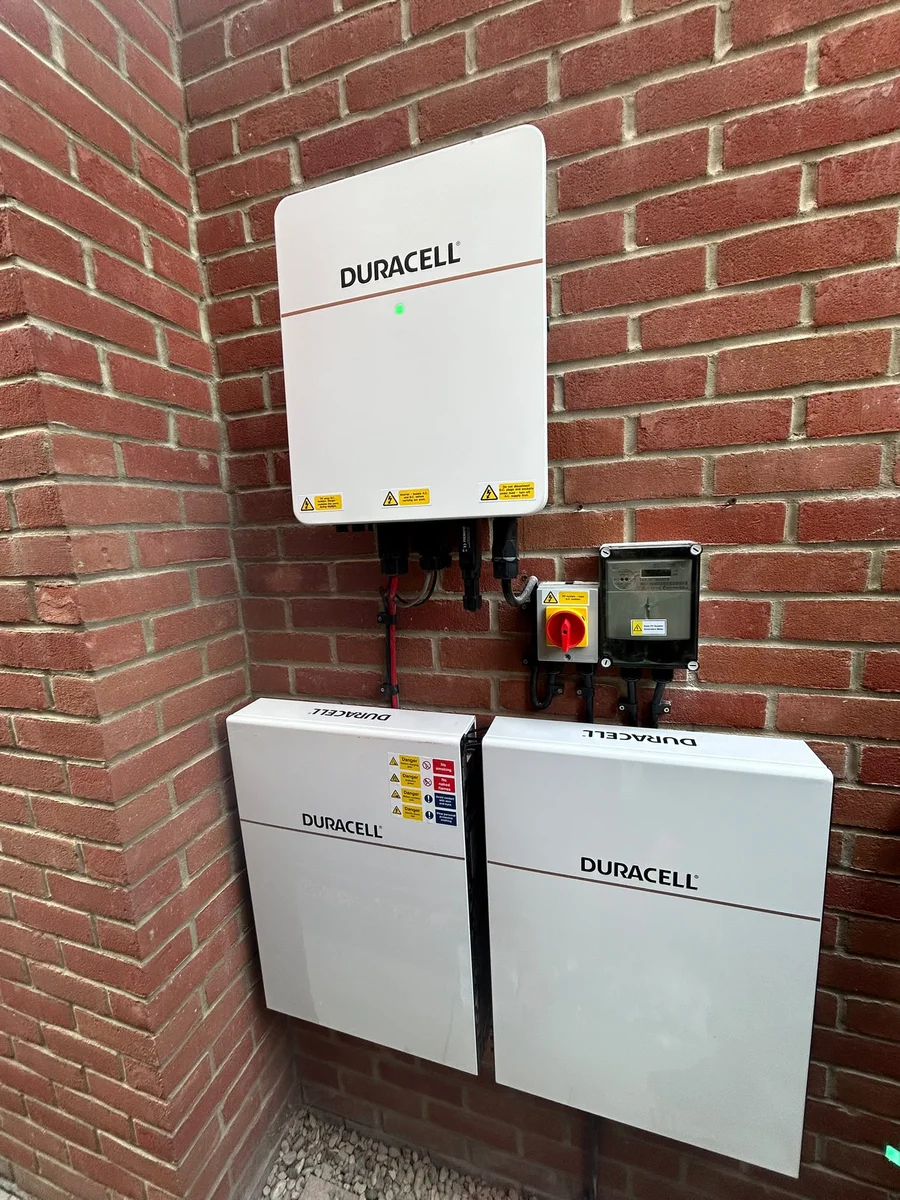
Peak output lands in the middle of the day, exactly when a lot of Essex households are out at work. Battery storage closes that gap, holding onto that generation instead of exporting it for less than you’d pay to buy it back that evening.
Where the savings actually come from.
Daylight hitting the panels is all it takes to generate. Your home draws on that first, so anything used directly is a unit you’re not buying from your supplier.
Panel count isn’t the number that matters. What counts is your expected annual generation, how much of it your household actually uses, and what that does to the project cost versus the payment options available. That’s what your proposal should show, not a county sunshine statistic.
String inverters
A single unit runs the whole array. Cheapest route, and fine on a roof with nothing shading it.
Microinverters
A dedicated inverter per panel, adding roughly £200–£500 to the job. Pays off on a shaded or multi-facing roof, where one shadowed panel won’t drag the rest down.
Hybrid inverters
Battery integration is built in from the start. If storage is on your mind at all, this is usually where to begin.
The maintenance reality.
There’s nothing mechanical to fail, which keeps the maintenance side genuinely light. An occasional check for debris, moss or bird mess covers most Essex roofs, with rain handling the rest between visits. Expect a 25-year-plus manufacturer performance warranty, plus a separate product warranty and our own workmanship cover; exact terms get confirmed with your quote since they vary by product.
The inverter is the part most likely to need replacing over a panel’s life, usually after 10–15 years for a string setup. We’ll talk through expected lifespan for your specific system when we quote.
How do solar panels actually work?
Solar panels are made up of photovoltaic cells, almost always monocrystalline silicon on modern residential installs, which produce a direct current the moment daylight hits them, not just direct sunlight. Panels still generate on an overcast Essex day, just less of it. An inverter then converts that DC output into the AC current your home actually runs on.
How long does a solar panel installation take?
Most residential installations are completed within one to two days, depending on the size of the system and your roof. Scaffolding usually goes up the day before, and your installer will talk you through the system before they leave.
Do I need planning permission?
Most home solar installations fall under permitted development and don’t need planning permission. In a conservation area (Essex has several, including parts of Colchester, Chelmsford and Saffron Walden), panels facing the highway may need permission, though rear-facing panels usually don’t. Listed buildings always need consent. See our Essex planning guide for the detail.
How much roof space do I need?
That’s driven by your electricity usage and how much roof you’re willing to cover, both of which the survey pins down properly. We map usable area, orientation and shading before landing on a panel count, rather than starting from a stock figure.
Pairs well with.
Get your solar proposal.
Takes about two minutes to request.
Free, no-obligation quote from your local MCS-certified installer. No spam, no cold-calling list sale.